Transtree
Web Design
Branding
Case Study
Contextual Research
Marketing
Transtree is a concept proposal for a community-led system that transforms decommissioned libraries into safe spaces for transgender individuals to access inclusive, gender-affirming healthcare and support. Born from a uni brief to develop a workable aspect of a basic universal service, it allowed me to thoroughly investigate target audiences and how design can influence societal behaviours.
Challenge
Transgender individuals in the UK face severe barriers across healthcare, mental health, and social wellbeing. When seeking gender-affirming treatment, they deal with year-long wait lists, denied care and feelings of isolation, while discrimination and negative experiences further result in poor mental and physical health.
Insight
Root causes for systemic issues affect and are influenced by additional communities, not just trans people. In order to address pain points of these involved communities, the solution must circumvent resourcing issues, promote awareness and understanding, and combine most aspects of trans care to streamline communication.
Impact
Instead of putting further strain on insufficient systems, Transtree serves as a central point of contact for transgender care and support. The service unites aspects of mental and physical health with community and education whilst closely collaborating with external providers.
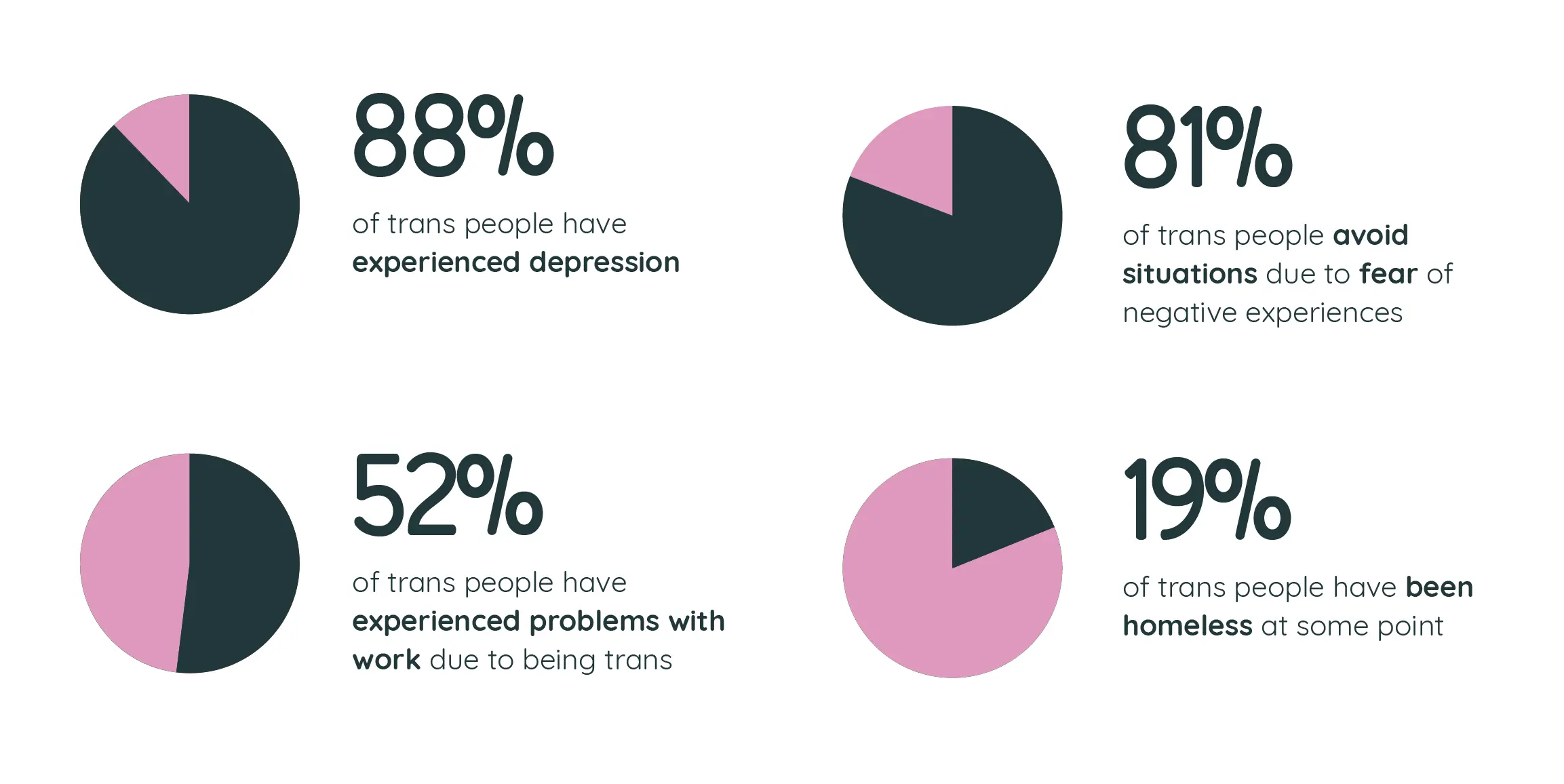
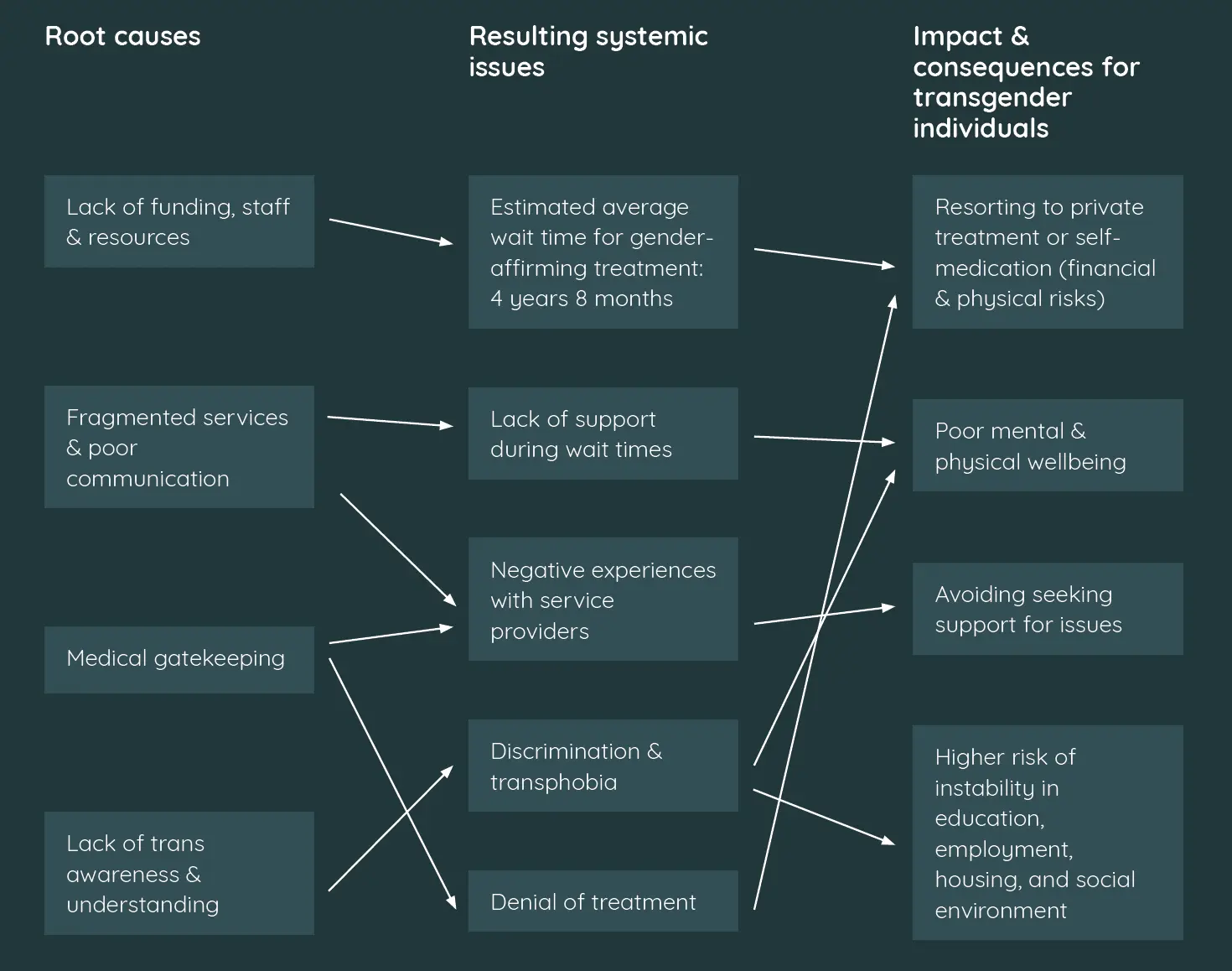
I began my research by identifying key points of friction in the lives of trans people. Some of the most shocking statistics revealing the scale of these issues can be seen here (based on this transgender mental health survey with 889 participants). Further analysis of various studies and articles allowed me to identify the root causes of systemic issues leading to these experiences.
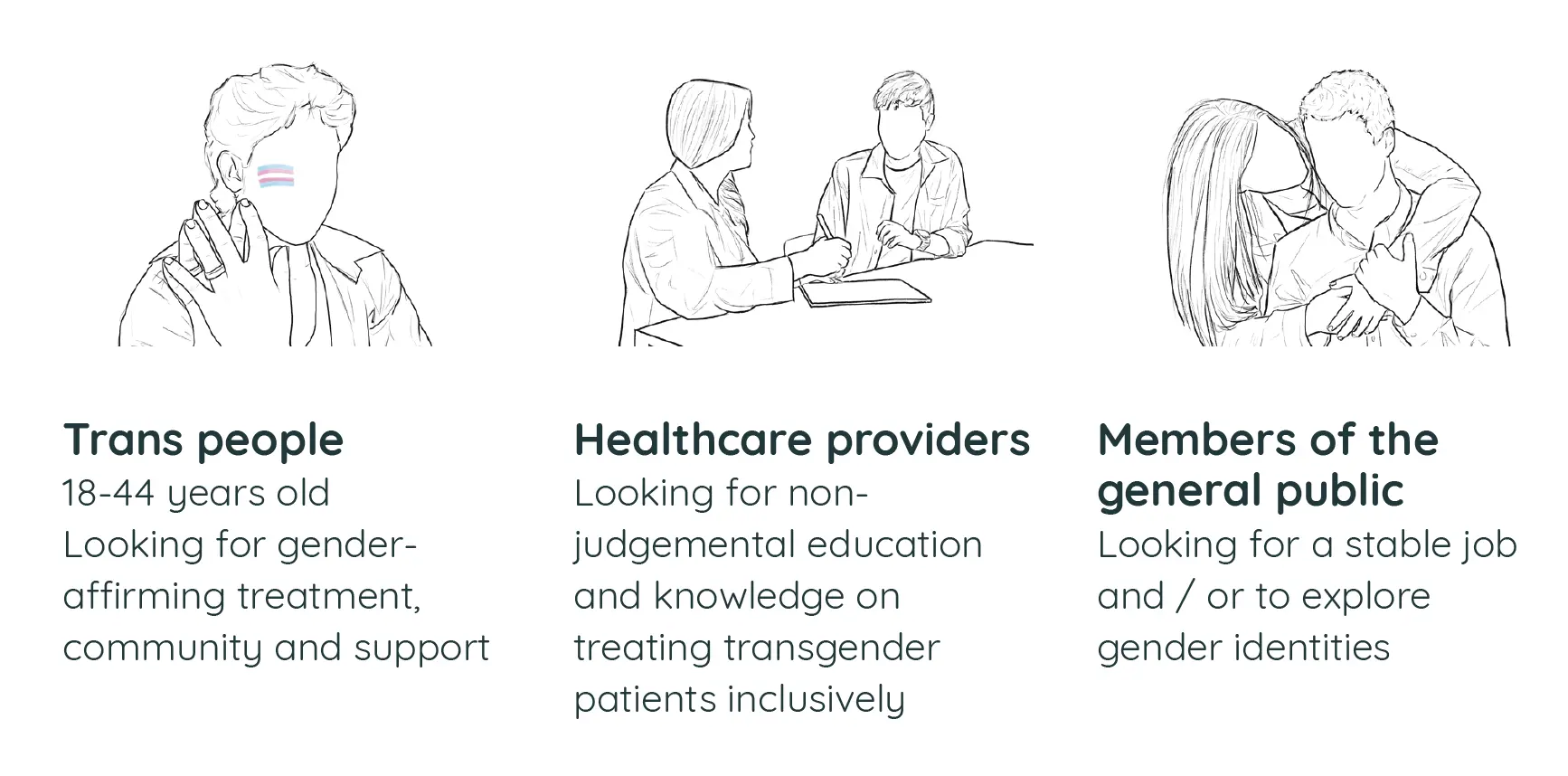
The found research insights allowed me to identify three key communities that would need to be taken into account. I defined detailed personas for each while segmenting the trans audience further to consider different experiences and perspectives, as they still formed the core target audience.
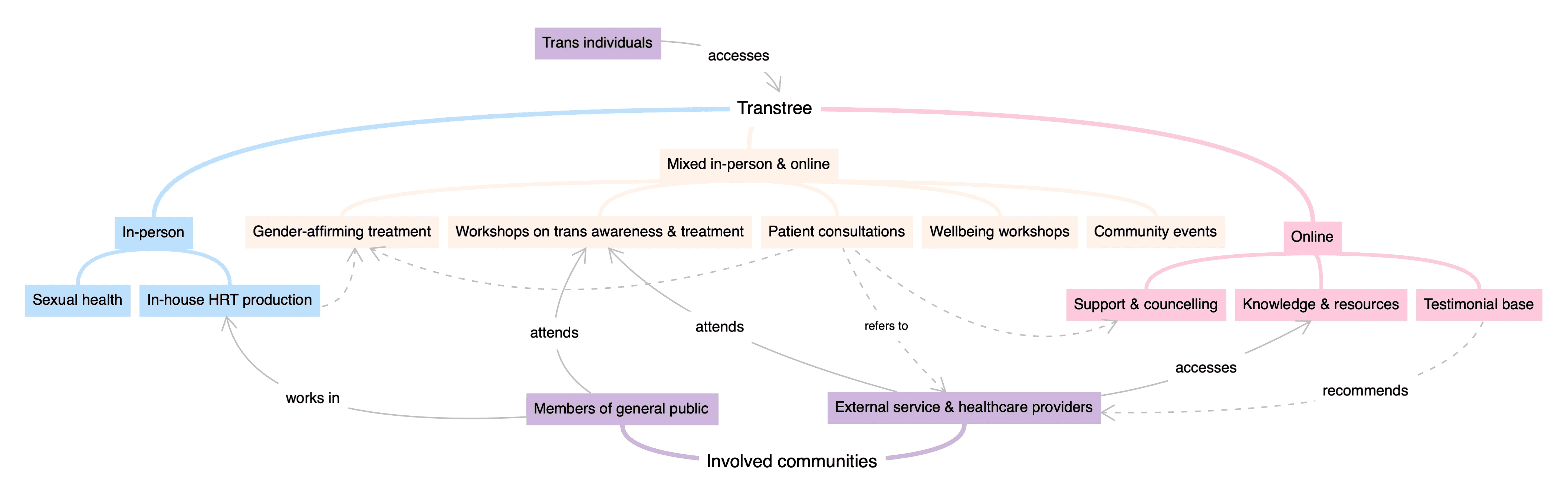
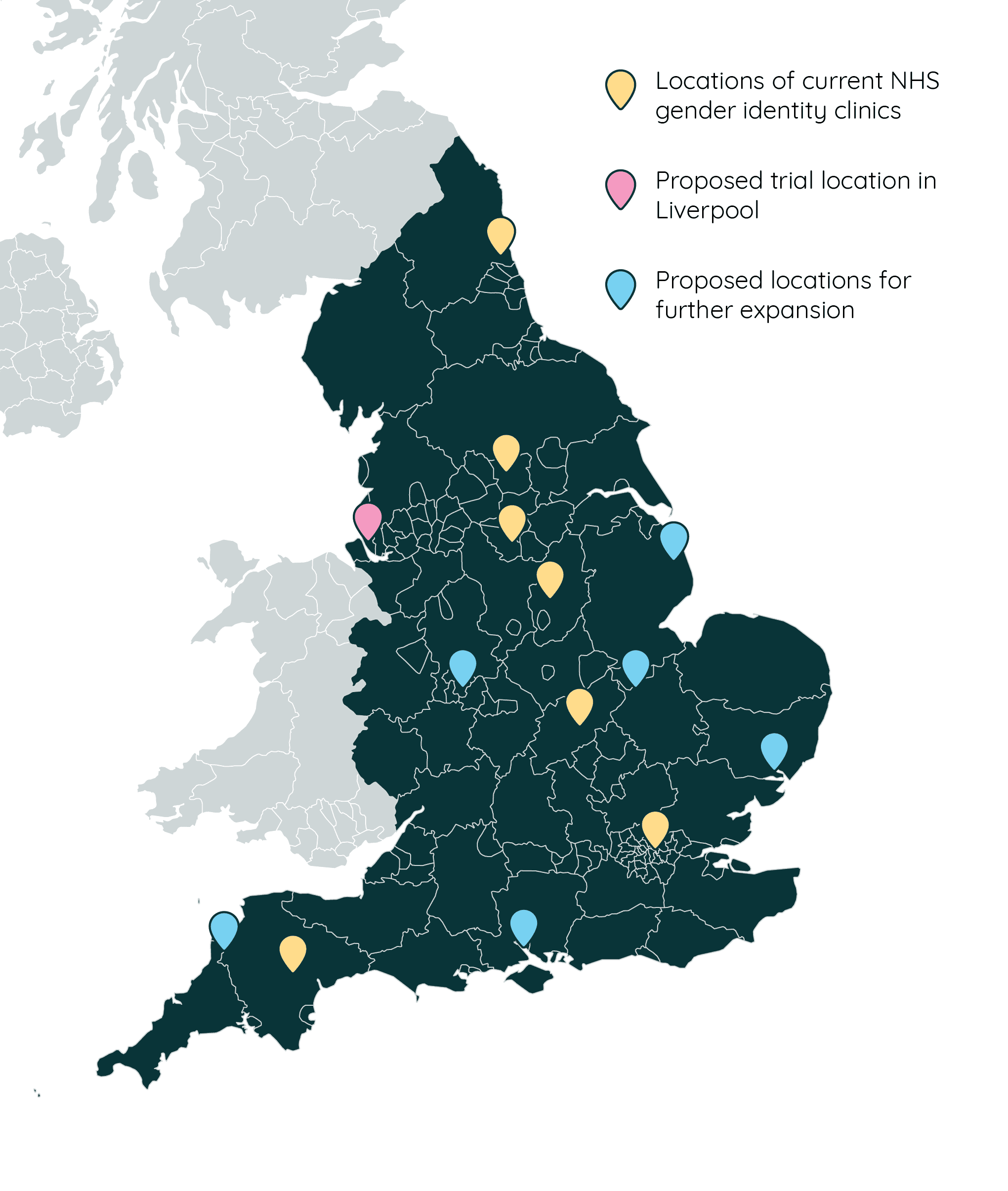
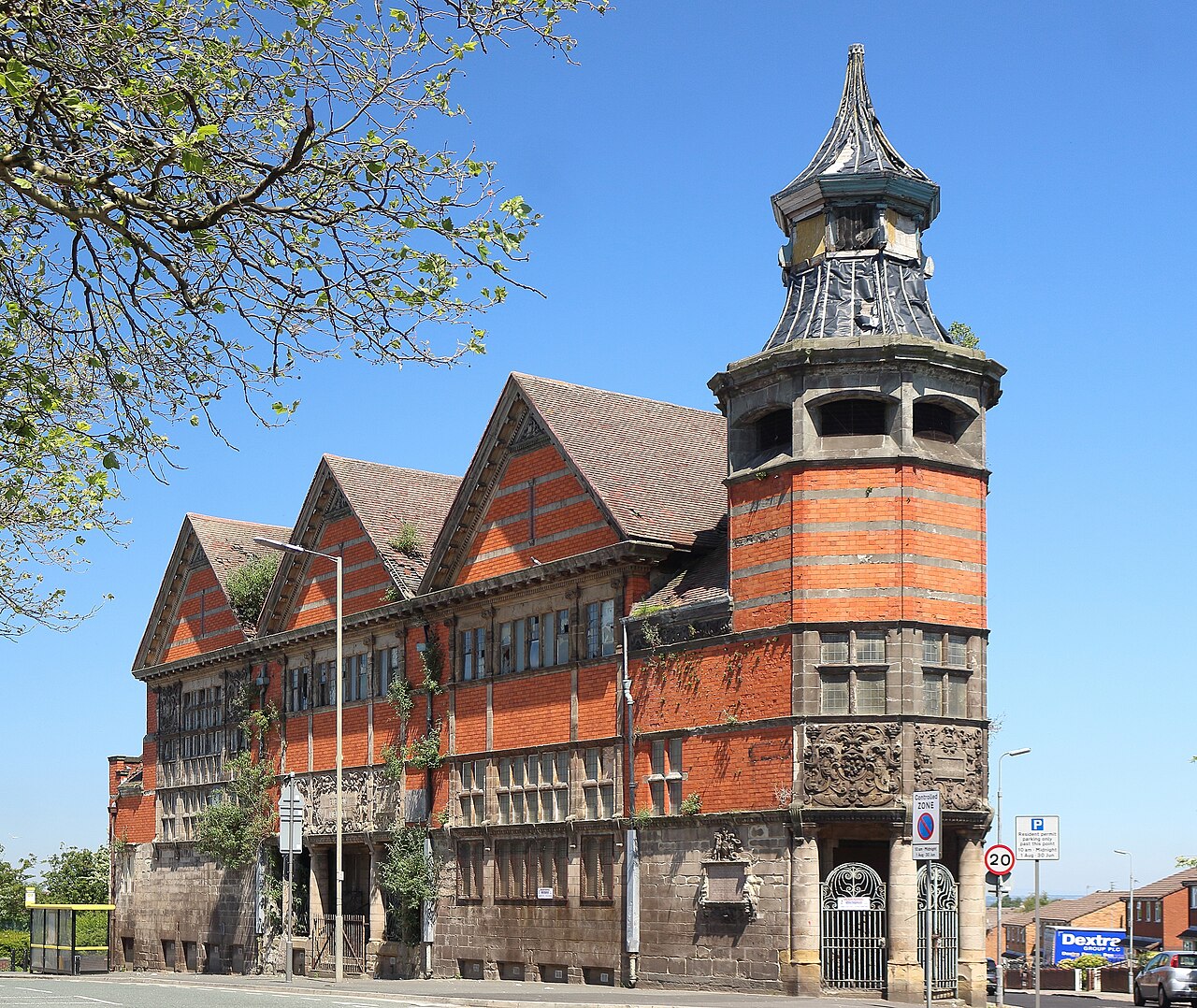
My proposed solution places trans people at the centre based on the informed consent model. A physical hub encompasses core aspects of the service such as consultations and workshops, as well as regulated in-house production of medication to circumvent supply issues, while support is expanded online as detailed in the systems map. Based on an analysis of current trans care coverage and need, I identified a first trial location (the decommissioned Everton Library in Liverpool) and options for further expansion.
Image of the Everton Library by Rodhullandemu - Own work, CC BY-SA 4.0, https://commons.wikimedia.org/w/index.php?curid=80004497
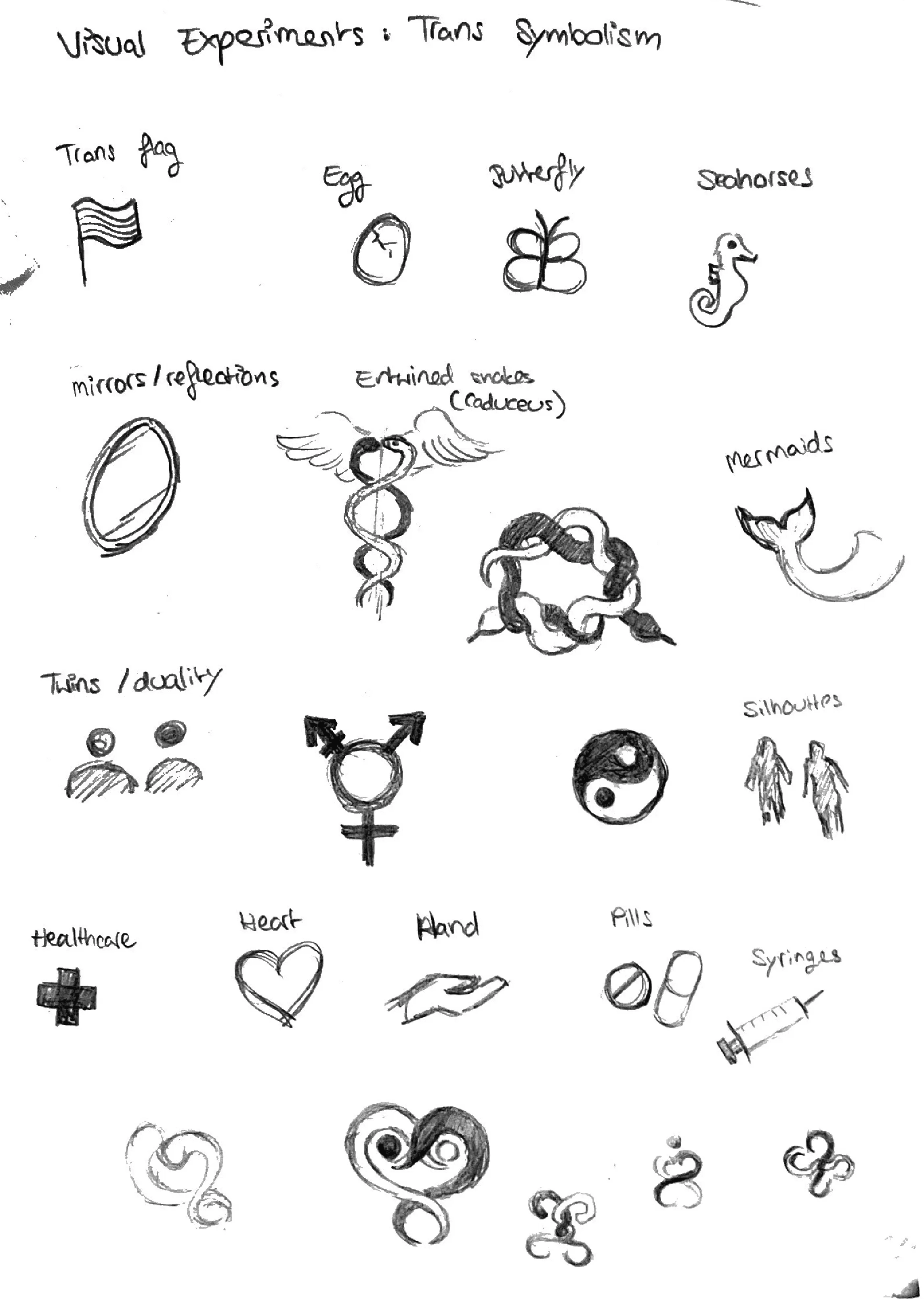
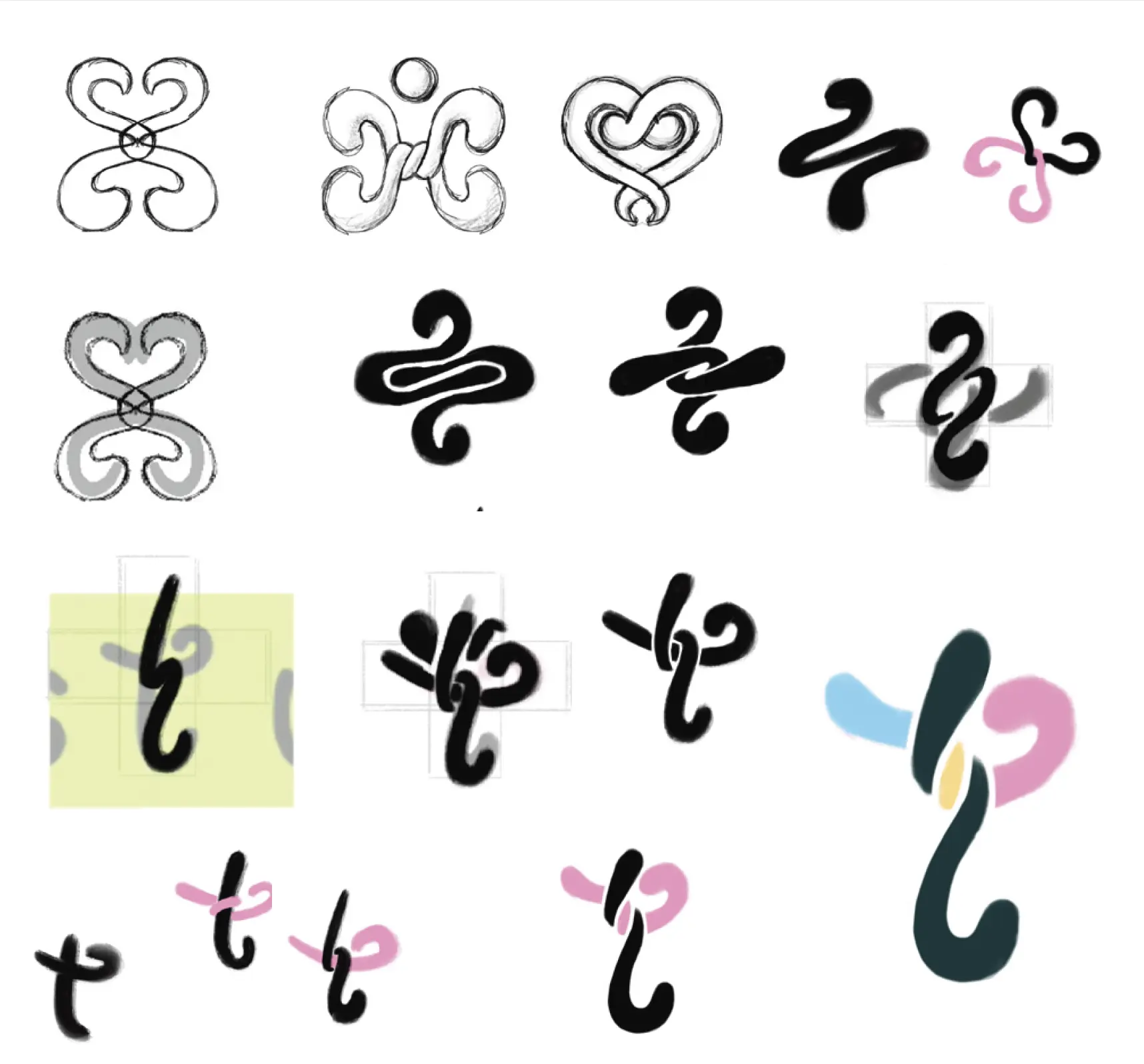
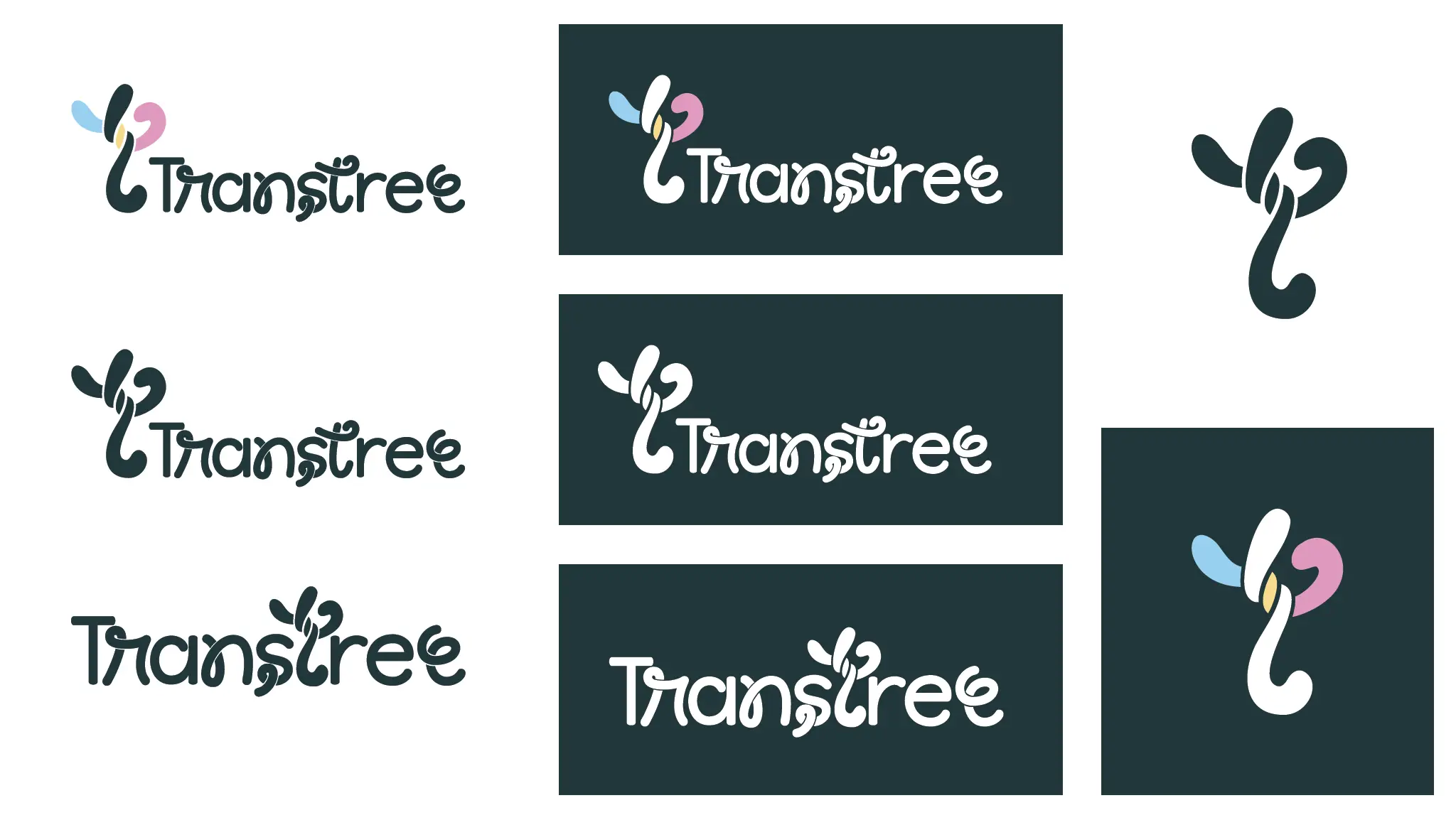
First visual explorations focused on trans symbolism. I was especially interested in the symbol of two entwined snakes, based on the experiences of prophet Tiresias in greek mythology. After deciding on a name for its memorability and ability to express that Transtree is a safe space for trans people to grow, connect, and be themselves, I was able to develop an abstract mark of two entwined shapes, forming a 't' and simplified tree. This final shape was also influenced by the font, which I chose due to entwined and fluid details combined with welcoming and soft letterforms.
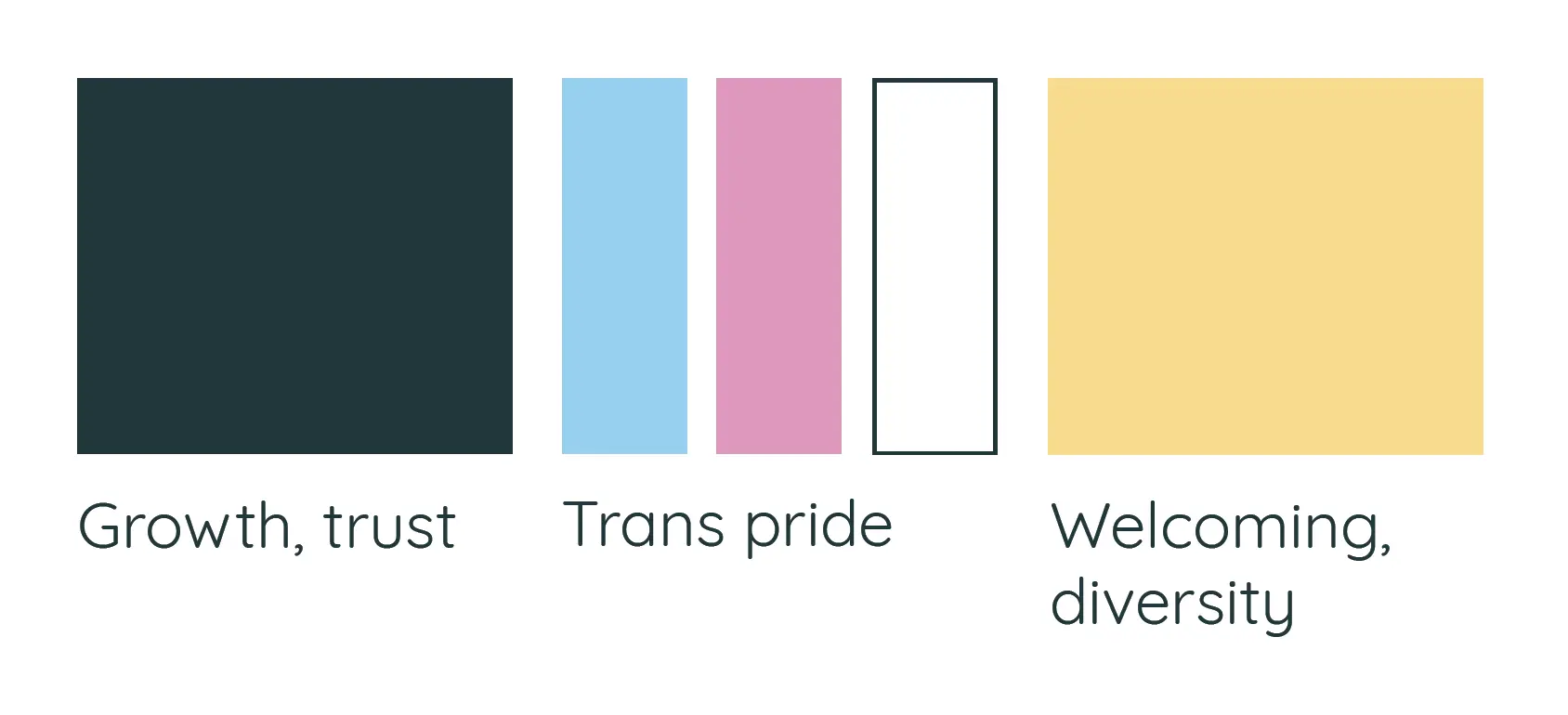
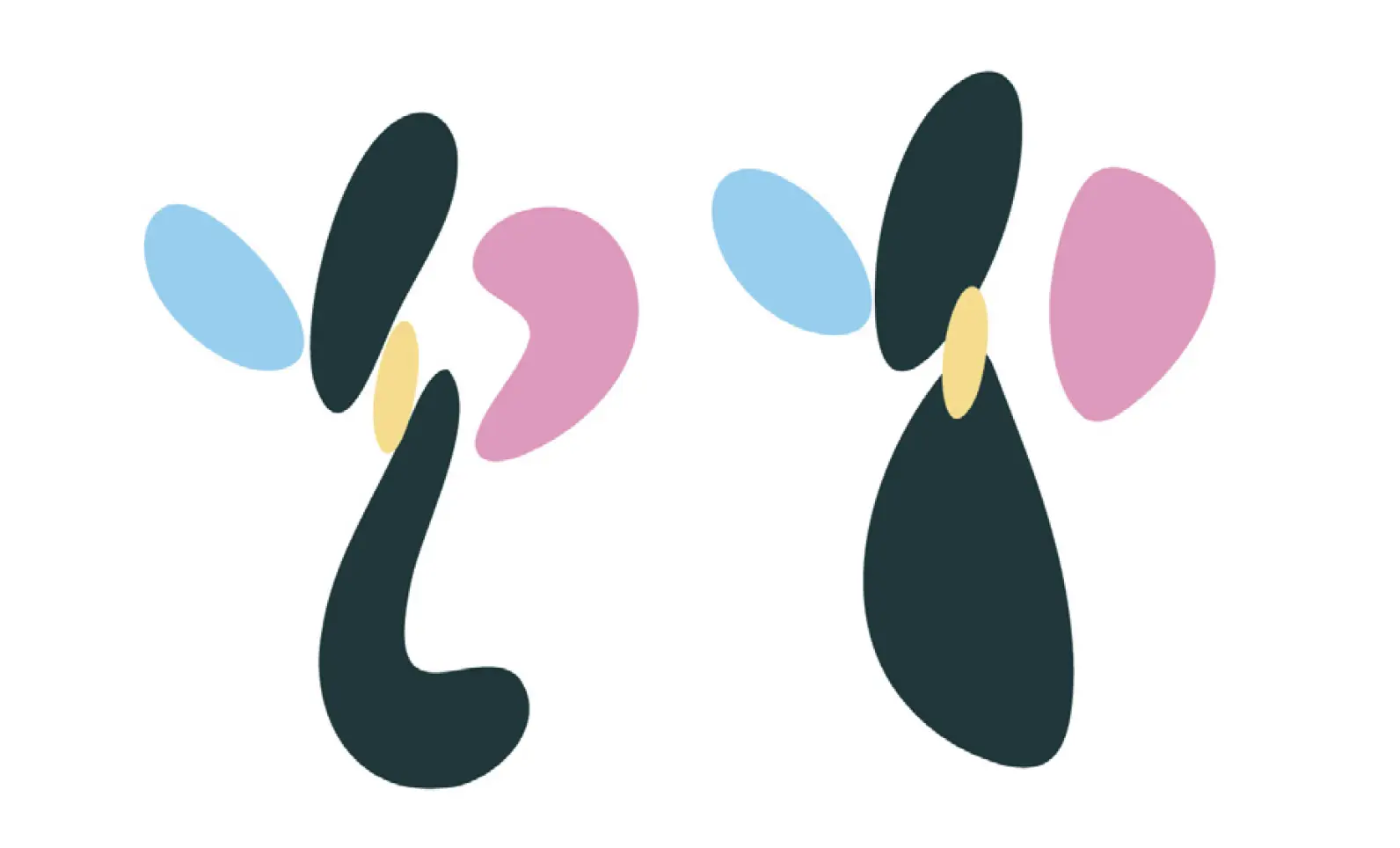
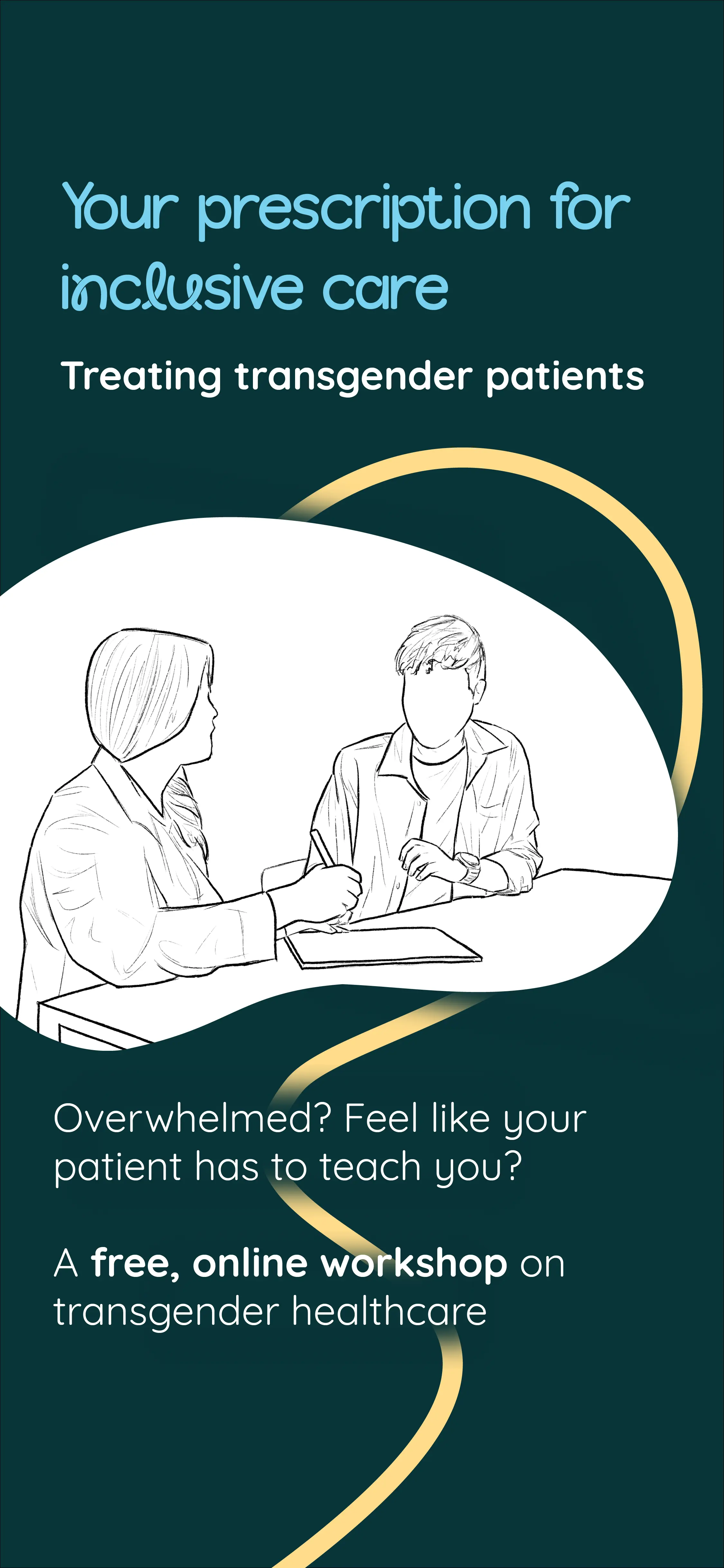
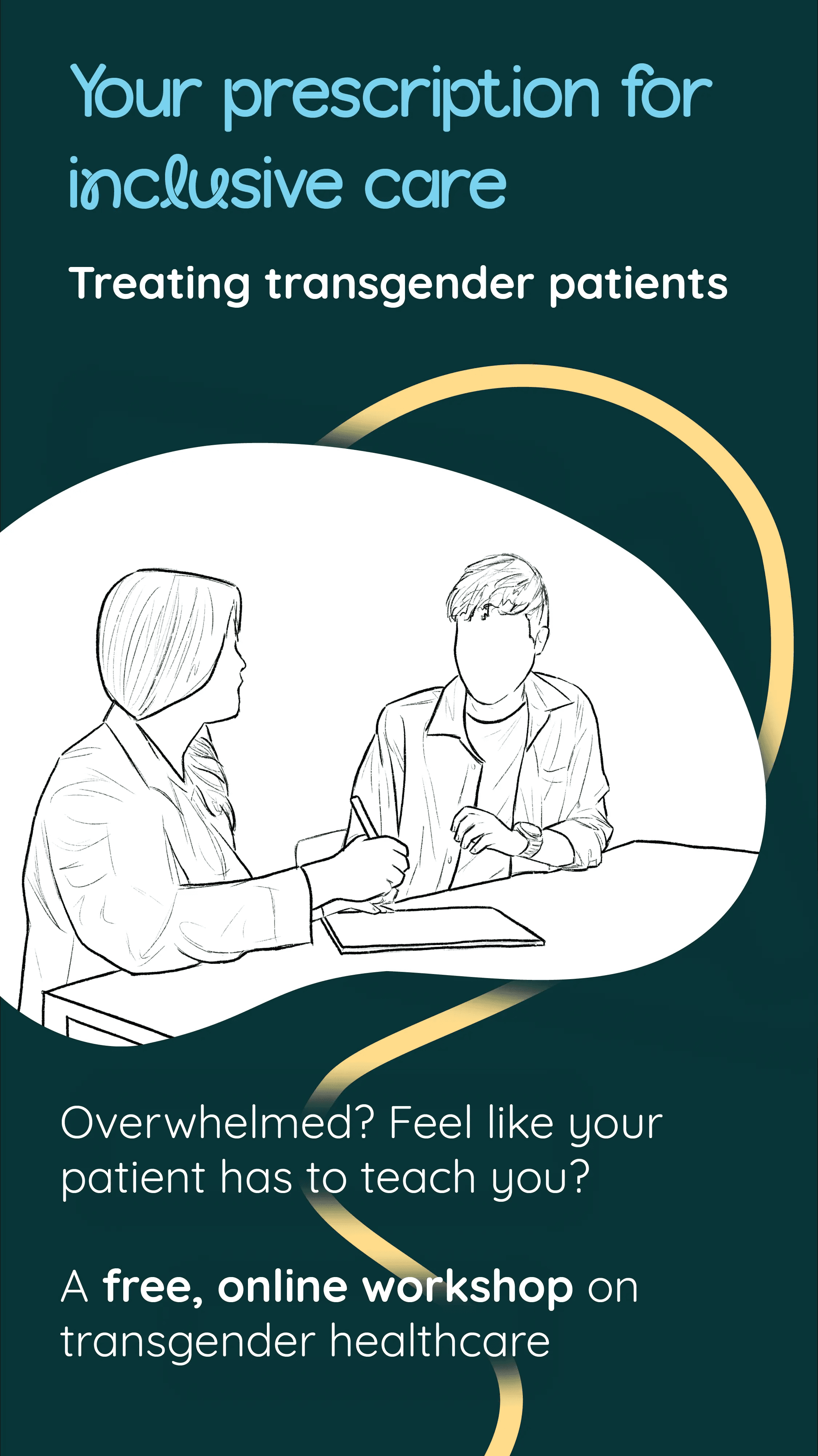
The shape language further consists of fluid-like blob shapes, which developed from smoothing out the logo, and winding lines based on the typographic details. Together with the chosen colours they further express a welcoming, trustworthy and diverse personality. Additionally, I decided to use illustrations instead of photography for images to add a more personal touch and balance out clean lines. A key decision was to not include facial features as many trans people struggle identifying with their own, while it also communicates that there is no one specific way to look or be trans.
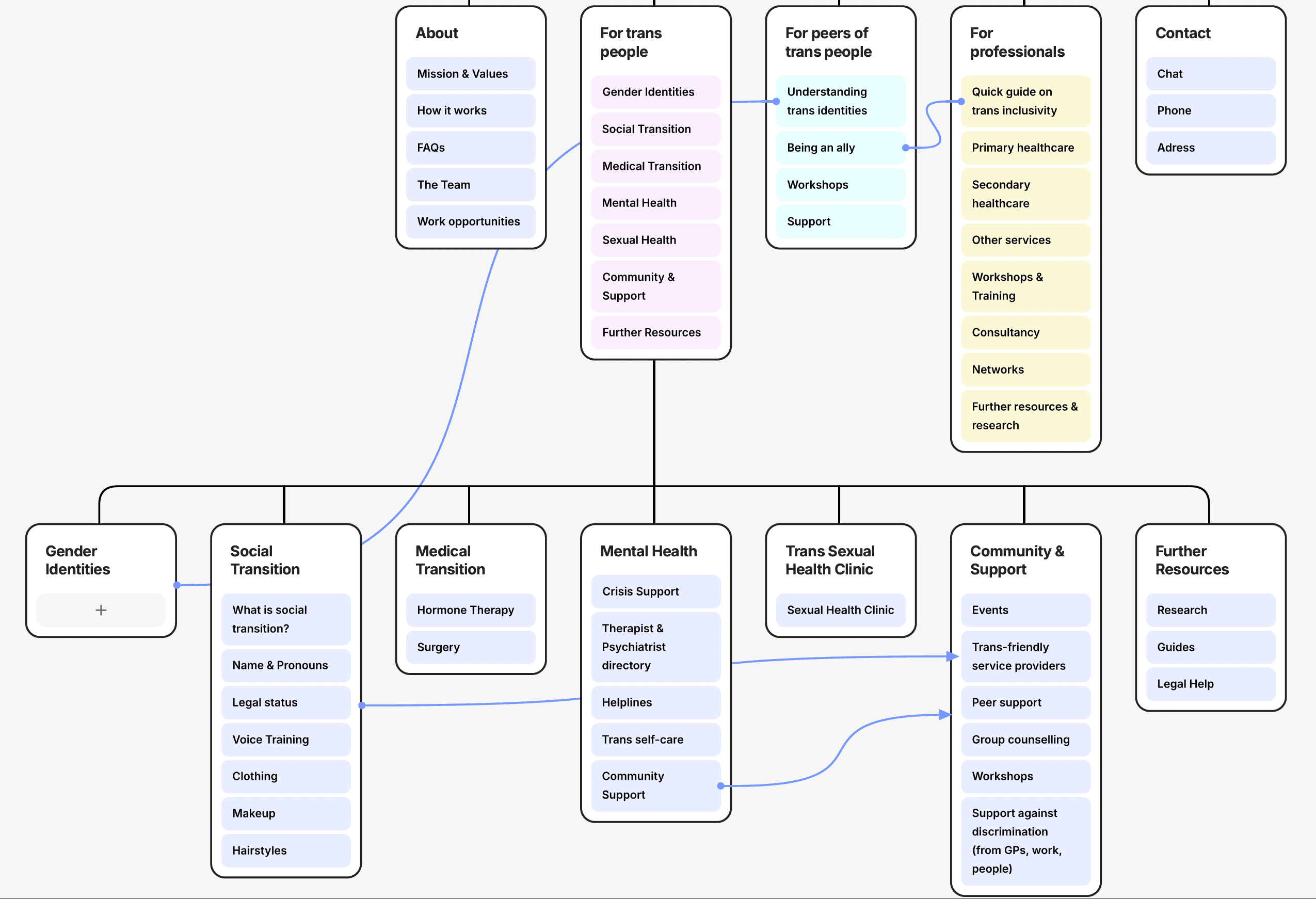
As the website would serve as a central navigation point to allow audiences to explore, sign up for and access services, it was key to establish a user-friendly structure. I landed on the sitemap pictured here, splitting content into subpages so different audiences would efficiently be lead towards what they are looking for.
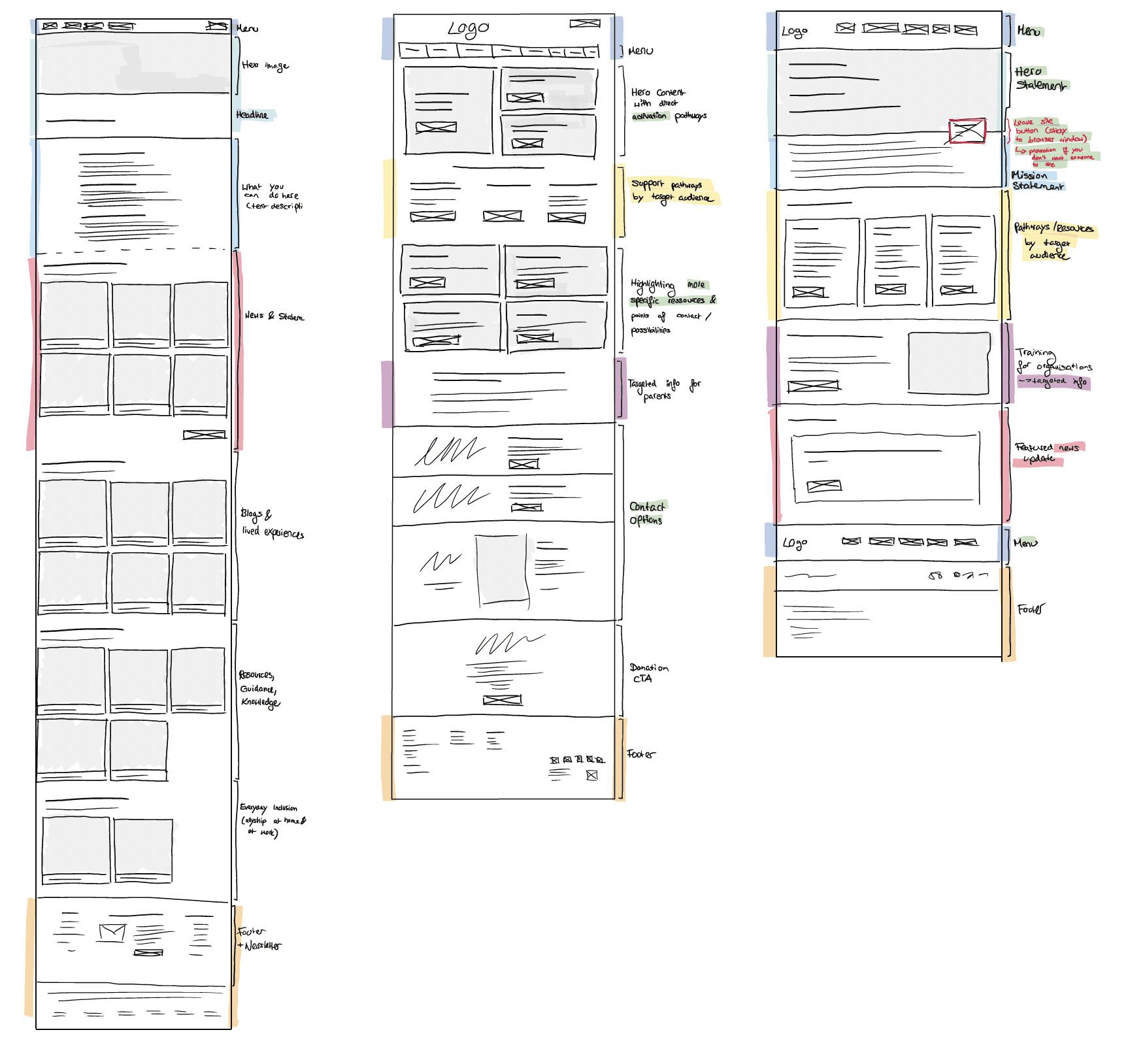
In order to clearly communicate these options on the homepage, I first analysed the structure of similar websites via wireframe sketches to identify common sections and elements. The websites analysed, from left to right, are Stonewall, Mermaids, and Gendered Intelligence.
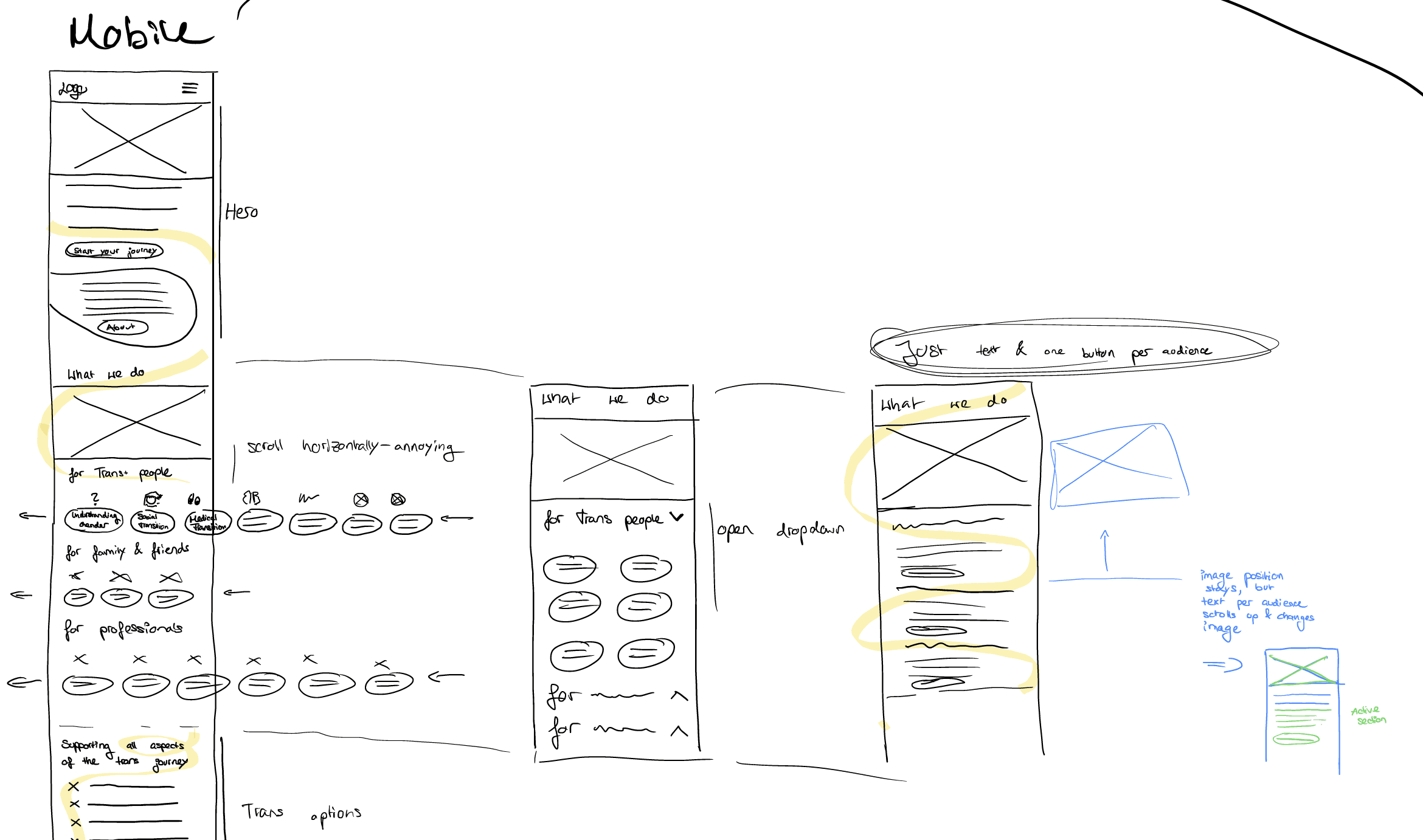
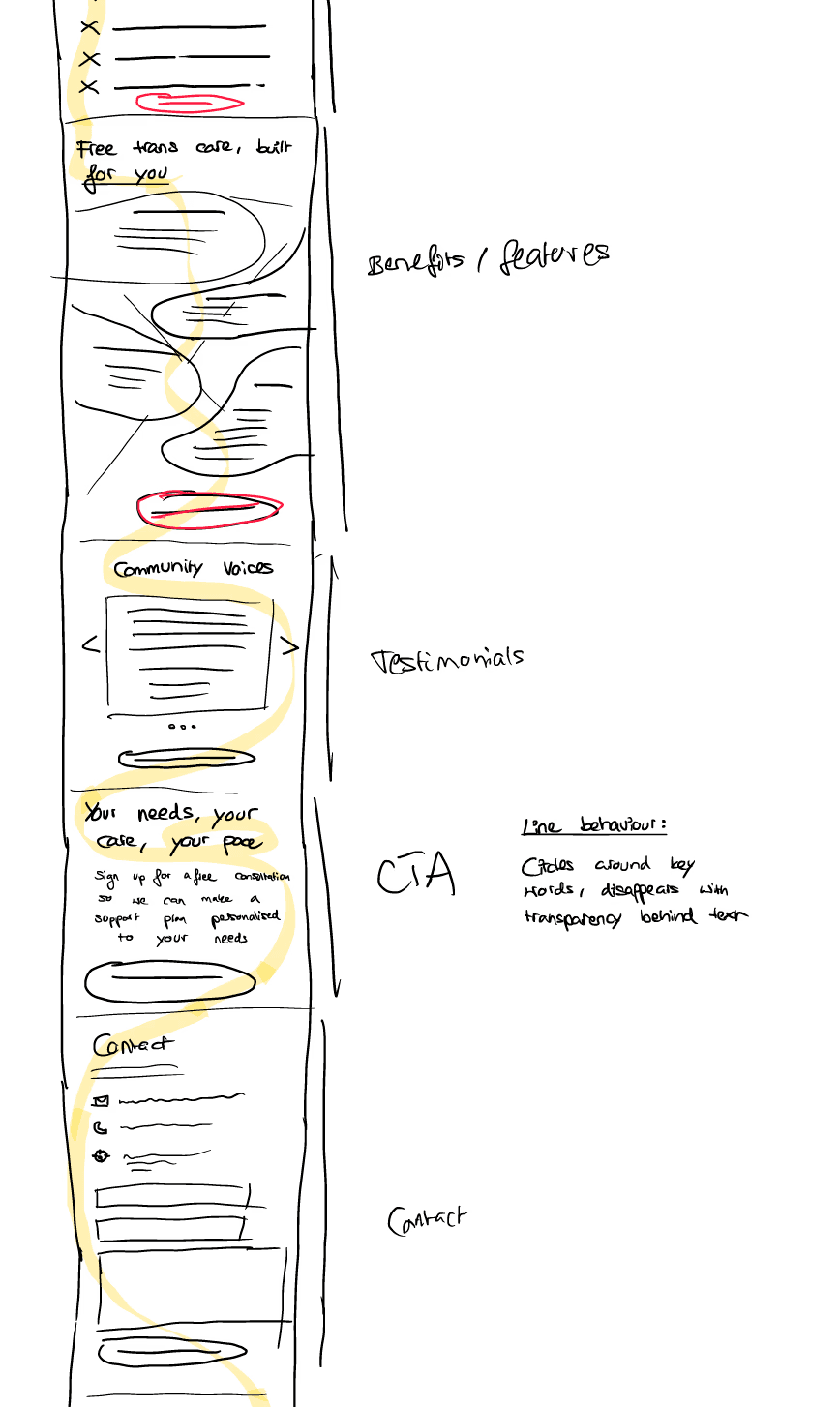
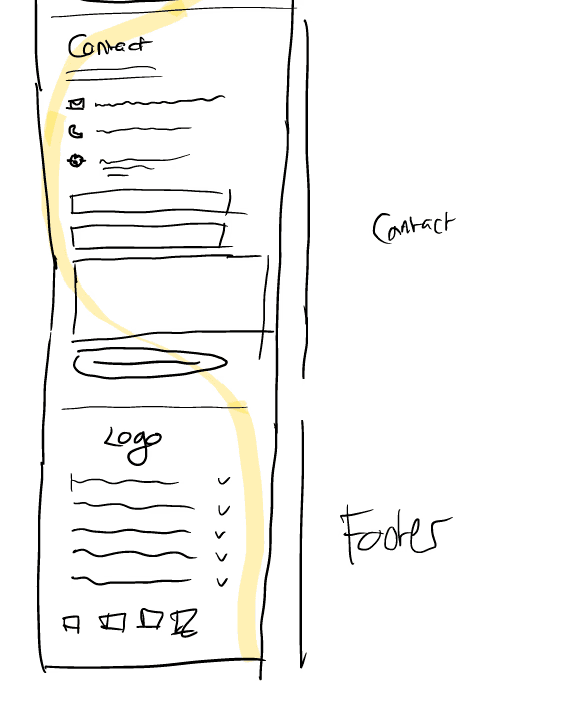
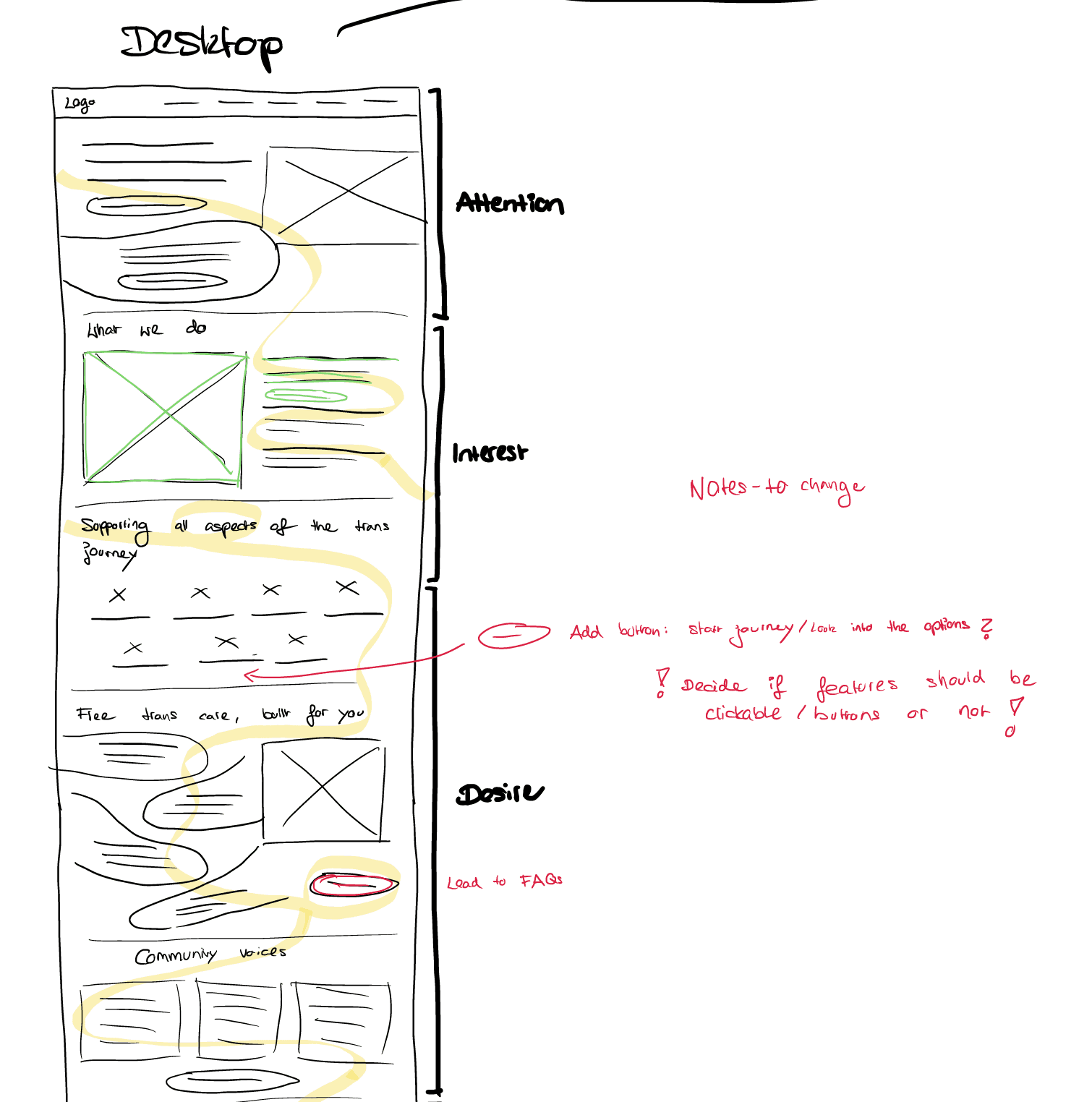
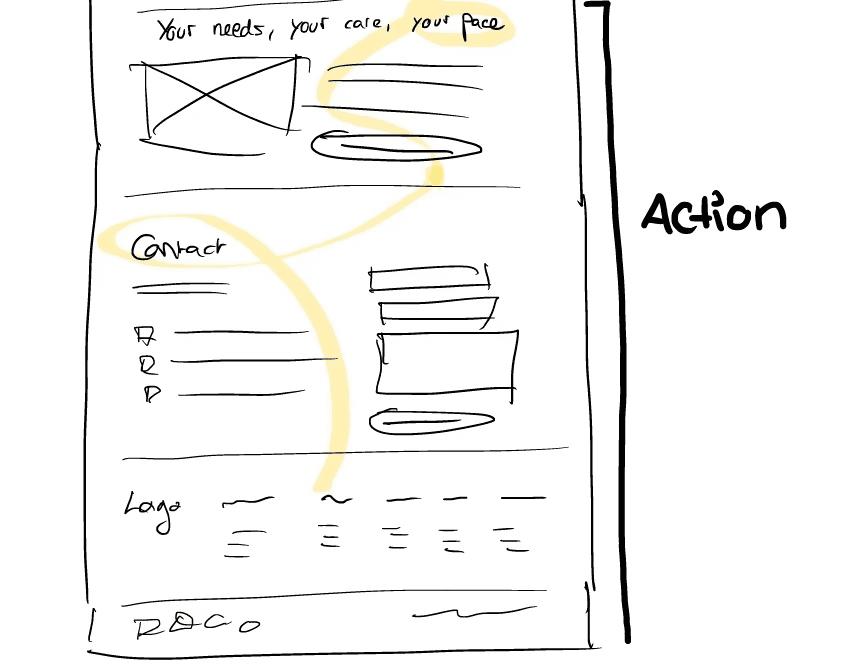
Afterwards, I applied these insights in the creation of rough wireframe sketches for the Transtree homepage, working mobile-first for better usability and then adapting it to desktop. Core decisions included a section early on to serve as a funnel for different audiences, while the rest of the homepage explains how the service for trans people works in more detail.




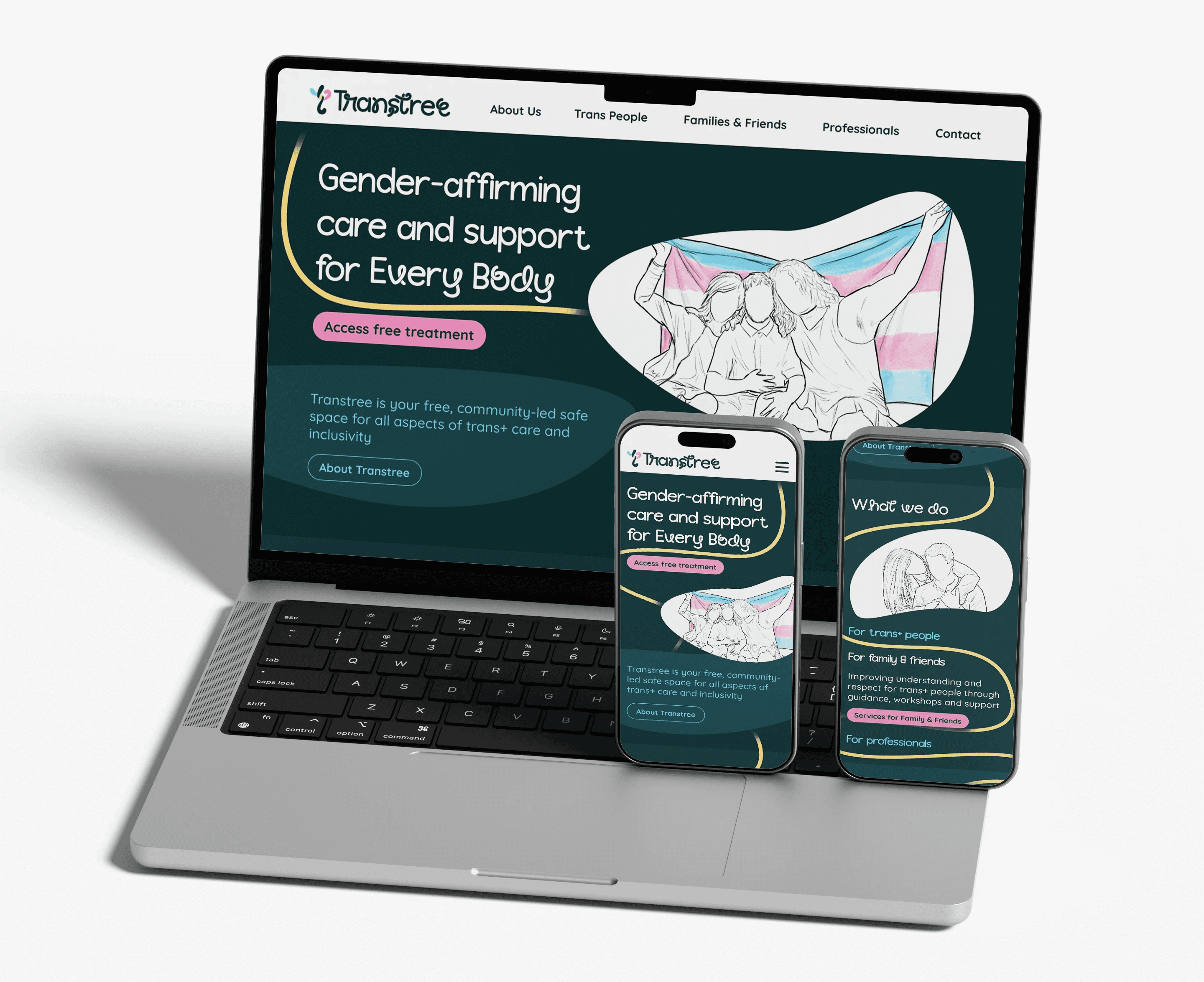
After multiple prototypes, tests and iterations, I was able to further simplify the layout and establish a clear colour hierarchy, which was key to avoiding a childish appearance caused by the many pastel tones. The final homepage design was created in Figma.
Aside from access to the basic consultations and workshops, the website also includes a knowledge base with resources & guidance for different audiences, as well as a testimonial system to allow trans people to share their experiences with various external service providers. This idea developed from personal interviews with trans people, as a common issue was feeling the need to do an extensive amount of research before for example going to a hairdresser, all just to make sure they would be treated with respect.
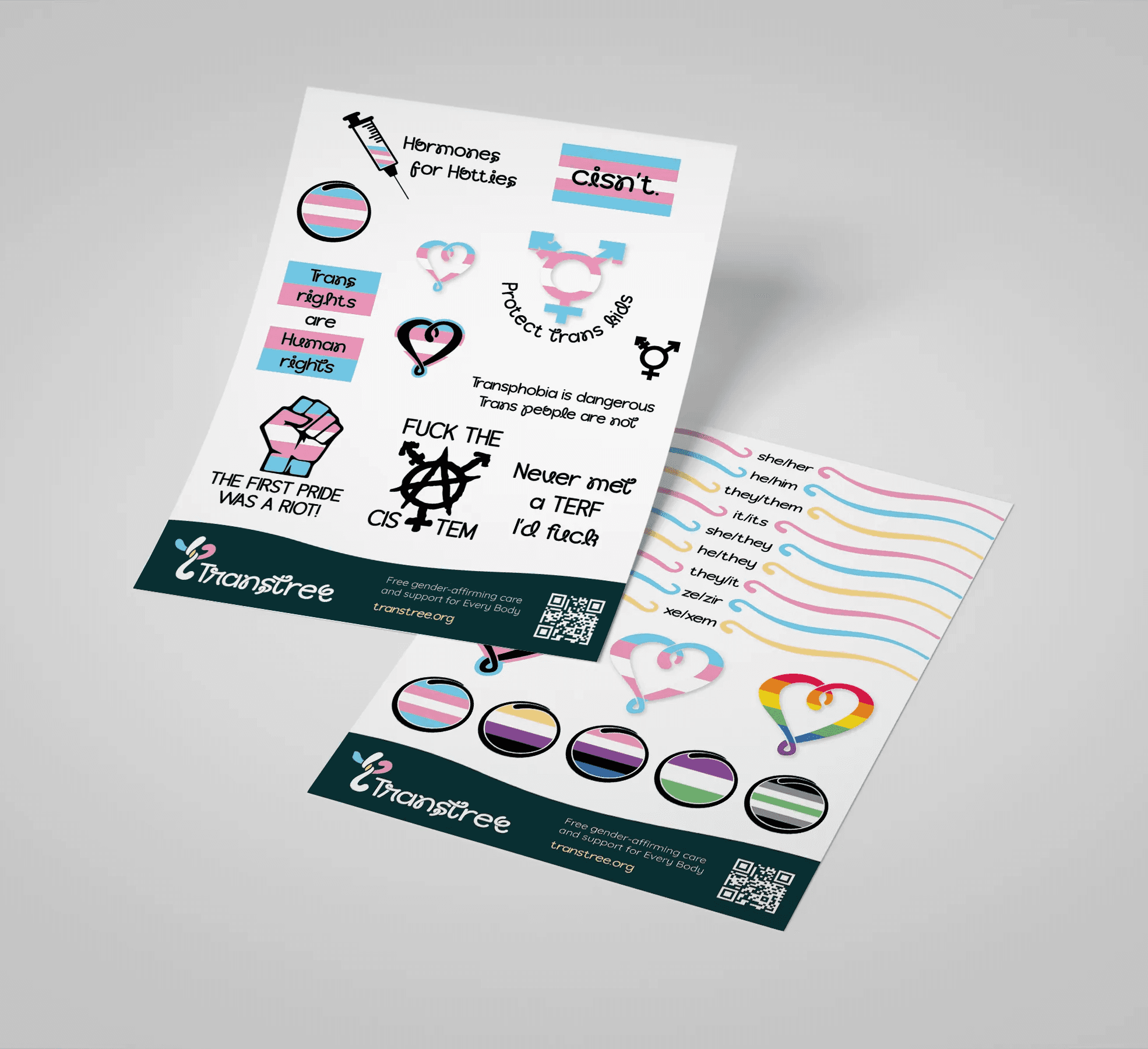
To actually reach trans people in the local area of the hub, I designed black light reactive temporary tattoos, to be distributed at LGBTQ+ events (queer night clubs, pride parties, LGBTQ centres etc.). The sheets include links and QR-Codes leading to the homepage.
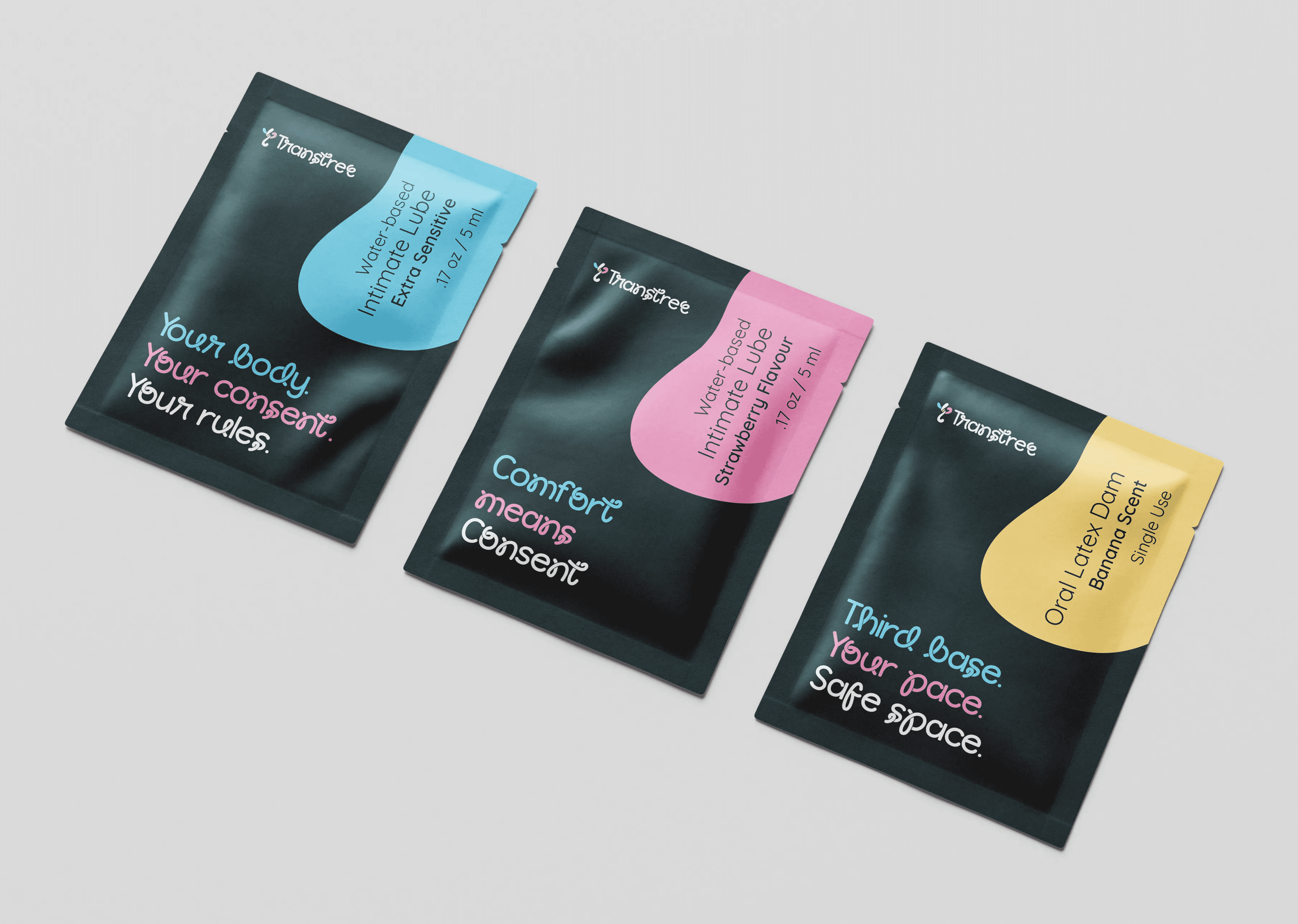
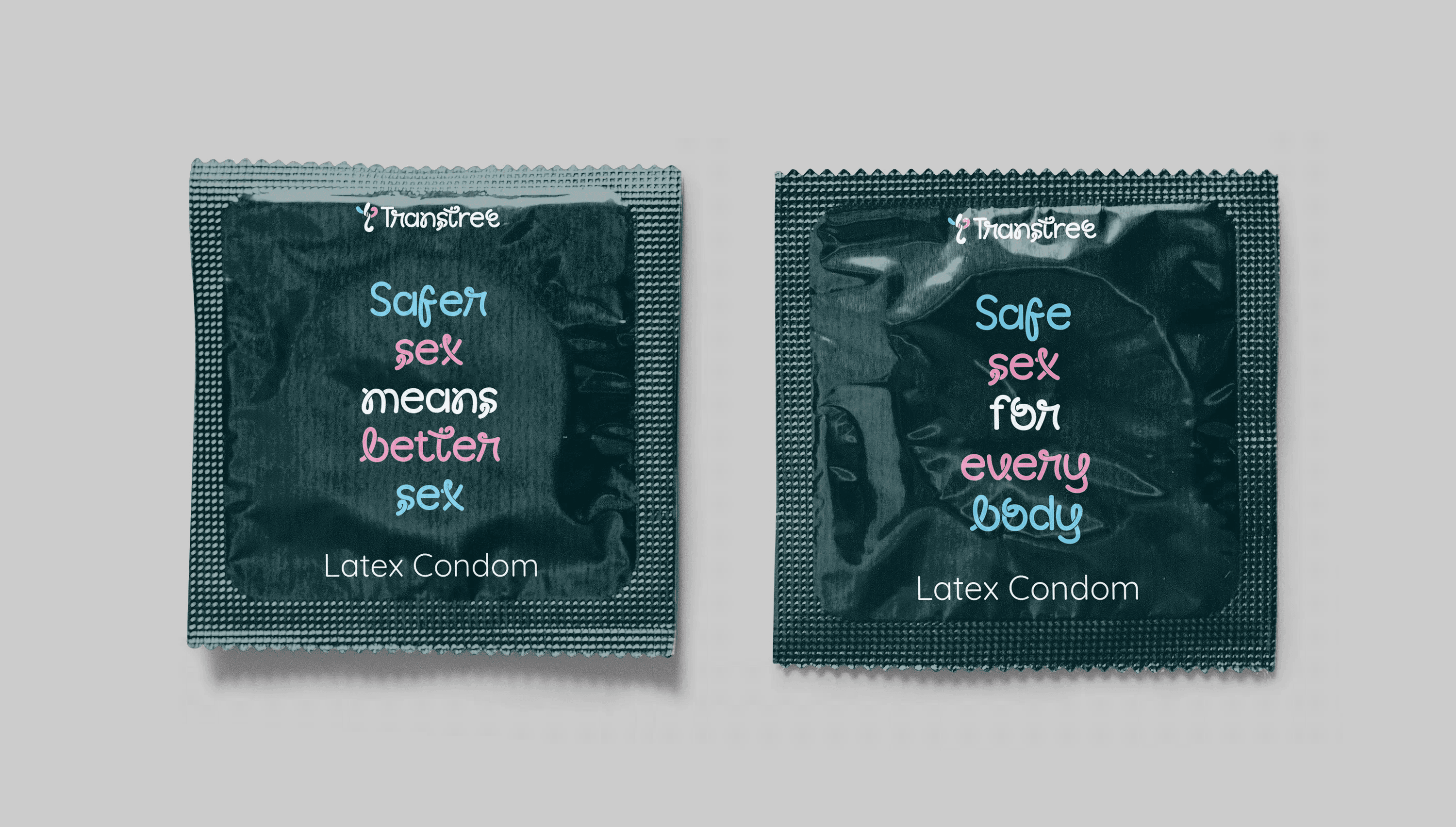
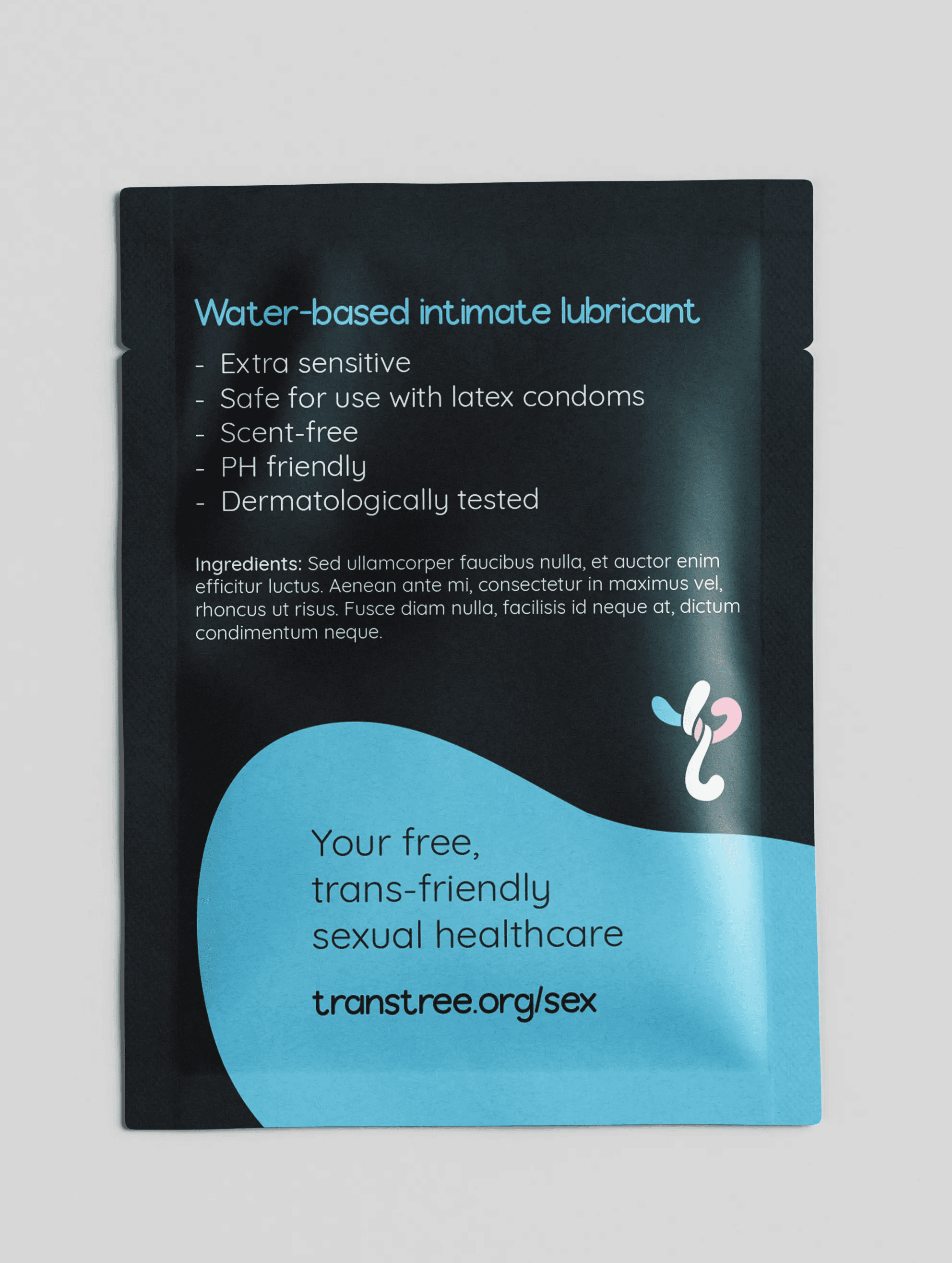
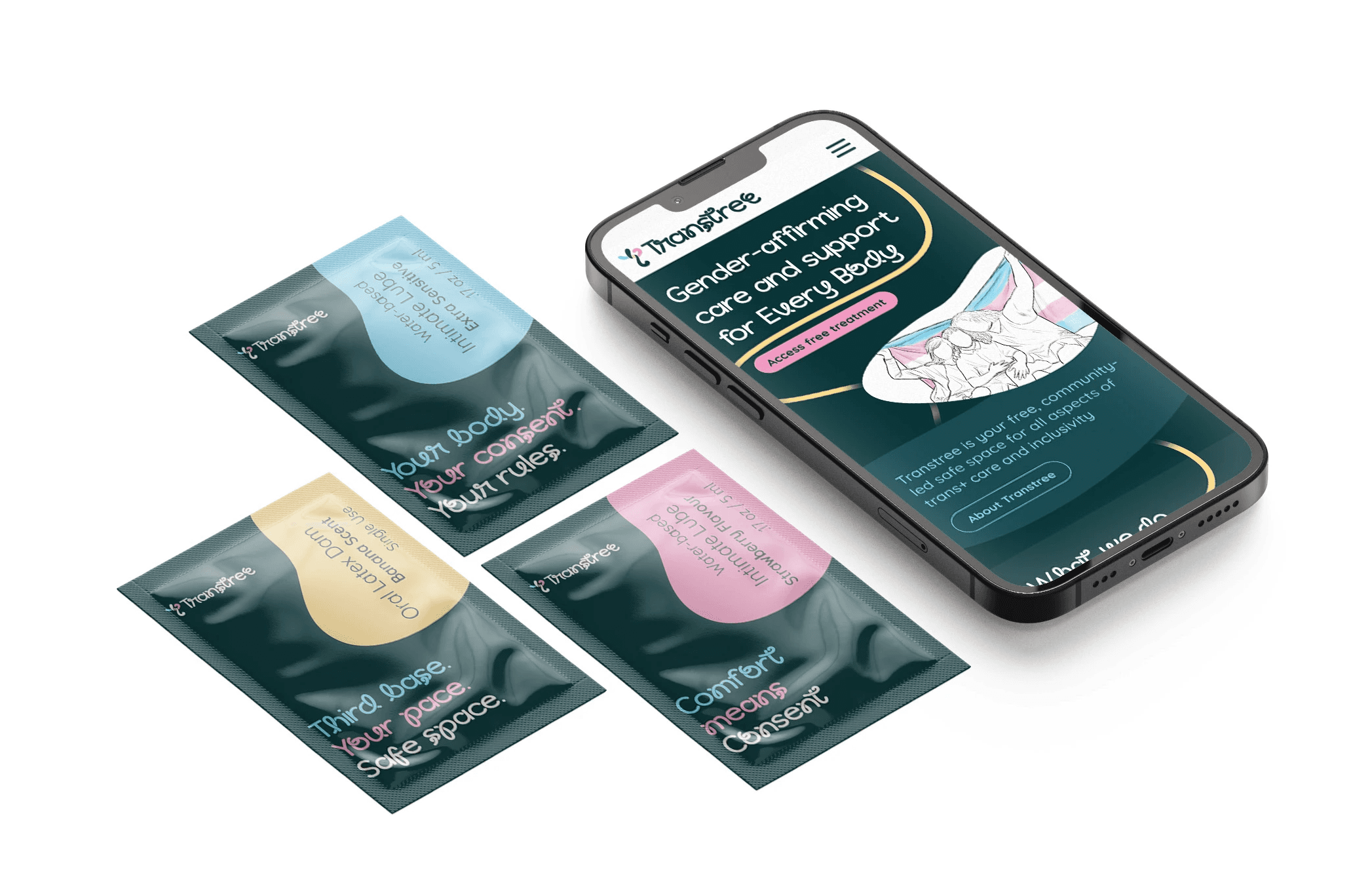
As Transtree also includes a sexual health clinic, it only made sense to design empowering, trans-friendly contraceptives. These would be available in the clinic itself, as well as at queer night clubs, GPs, and gynaecologists.
To further test the flexibility of the created brand appearance, I designed a few social media posts based on different personas and with different purposes (such as advertising a specific workshop, the service as a whole, or simply fostering community).